
Understanding UK Expat Document Services: Expat Documentation Essentials
- Work Abroad Legal Staff

- Mar 31
- 3 min read
Moving abroad for work is exciting, but it comes with its own set of challenges. One of the biggest hurdles is handling your paperwork. If you’re a teacher relocating to places like Dubai or Abu Dhabi, you’ll quickly realise that your UK documents need to be legalised and prepared correctly. This process can be confusing and time-consuming. That’s why understanding expat documentation essentials is crucial.
When you move overseas, your documents must meet the legal requirements of the country you’re moving to. This means you can’t just take your certificates, diplomas, or police checks as they are. They often need to be authenticated, translated, or apostilled. Getting this right ensures your qualifications and identity are recognised abroad without delays.
Why Expat Documentation Essentials Matter
You might wonder why all this paperwork is necessary. The truth is, every country has its own rules about accepting foreign documents. For teachers, this is especially important. Schools and education authorities want to verify your credentials before you start working. If your documents aren’t in order, you could face delays or even lose job opportunities.
Here are some key reasons why you should prioritise your expat documentation essentials:
Legal recognition: Your documents must be officially recognised by the foreign government.
Smooth job application: Proper paperwork speeds up hiring and registration processes.
Avoid legal issues: Incorrect or missing documents can cause legal complications.
Peace of mind: Knowing your documents are valid lets you focus on settling in.
For example, a teaching certificate from the UK might need an apostille stamp from the Foreign, Commonwealth & Development Office (FCDO) before it’s accepted in the UAE. Without this, your certificate might be rejected.
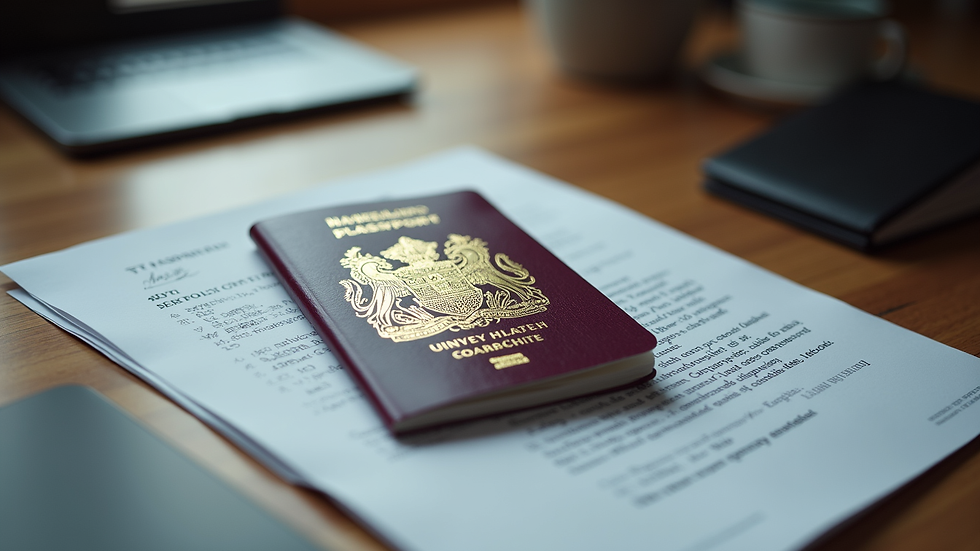
Common Documents You’ll Need to Legalise
When preparing to move abroad, you’ll likely need to legalise several types of documents. Here’s a list of the most common ones for teachers and professionals:
Educational certificates – degrees, diplomas, and teaching qualifications.
Professional licenses – teaching licenses or registration certificates.
Police clearance certificates – to prove you have no criminal record.
Birth certificates – sometimes required for visa or residency applications.
Marriage certificates – if your spouse is accompanying you.
Medical certificates – health checks or vaccination records.
Each document may require different steps. For example, police clearance certificates often need to be obtained from the UK police and then legalised. Educational certificates usually require an apostille from the FCDO.
It’s important to check the specific requirements of the country you’re moving to. Some countries also require translations by certified translators. This is common in non-English speaking countries.
This process can take weeks, so start early. Missing a step can cause delays or rejections.

Tips for Teachers Moving Abroad
As a teacher, your documentation needs are specific. Here are some practical tips to make your move smoother:
Check employer requirements: Your new school or employer will often provide a list of required documents. Follow it closely.
Verify visa rules: Different countries have different visa categories for teachers. Some require additional paperwork.
Use professional services: Consider using specialised uk expat document services to handle legalisation. They know the process and can save you time.
Plan for translations: If you’re moving to a non-English speaking country, get your documents translated early.
Keep originals safe: Always carry originals and certified copies when travelling.
Prepare for background checks: Some countries require local police checks in addition to UK certificates.
By following these tips, you reduce the risk of paperwork issues and can focus on your new teaching role.
Making the Process Stress-Free
Handling expat documentation doesn’t have to be stressful. With the right approach, you can make it manageable and even straightforward. Here’s how:
Start early: Don’t wait until the last minute. Begin gathering and legalising documents months before your move.
Stay organised: Use folders or digital files to keep track of documents and correspondence.
Ask for help: Reach out to legalisation experts or expat services for guidance.
Understand the rules: Research the destination country’s requirements thoroughly.
Keep communication open: Stay in touch with your employer and embassy for updates.
Remember, the goal is to make your transition smooth. Proper documentation is a key part of that.
Your Next Steps for a Successful Move
Now that you understand the importance of expat documentation essentials, it’s time to act. Start by listing your documents and checking what legalisation steps you need. If you feel overwhelmed, professional help is available. Using trusted services can simplify the process and give you confidence.
Moving abroad is a big step. But with the right preparation, your paperwork won’t hold you back. You’ll be ready to start your new teaching adventure with everything in place.
Take control of your expat journey today. Your future classroom awaits!


Comments